
2026. 07. 31..
The comprehensive development of the drinking water utility network in Ács and the surrounding area is being carried out by a consortium consisting of Colas Alterra Zrt. and Betonútépítő Zrt.. The goal is to ensure the region’s water supply in the long term, while significantly increasing the system’s operational reliability and capacity.
The project affects not just a single municipality, but the entire service area of the former Ács–Komárom Waterworks, as well as the city of Bábolna. As a result of the development, Ács, Komárom, and Bábolna will primarily receive their drinking water from the modernized Koppánymonostor water source, while Bábolna will retain the option of receiving water from the Tatabánya regional system.
The design scope encompassed not only the preparation of construction drawings but also the preparation of permitting documentation, the permitting process, and as-built documentation, which was carried out by Green Technológia Kft. as a specialized subcontractor.

It’s Not a Water Shortage; the System Needs Upgrading
The investment is not driven by a water shortage in the traditional sense. The region has adequate water resources, but the size, technical sophistication, and age of the existing water treatment technology have limited its ability to meet growing demand.
As a result of the upgrade, there will be an increase in
- the amount of water available,
- the consistency of supply,
- operational reliability,
- and the system’s flexibility in emergency situations.
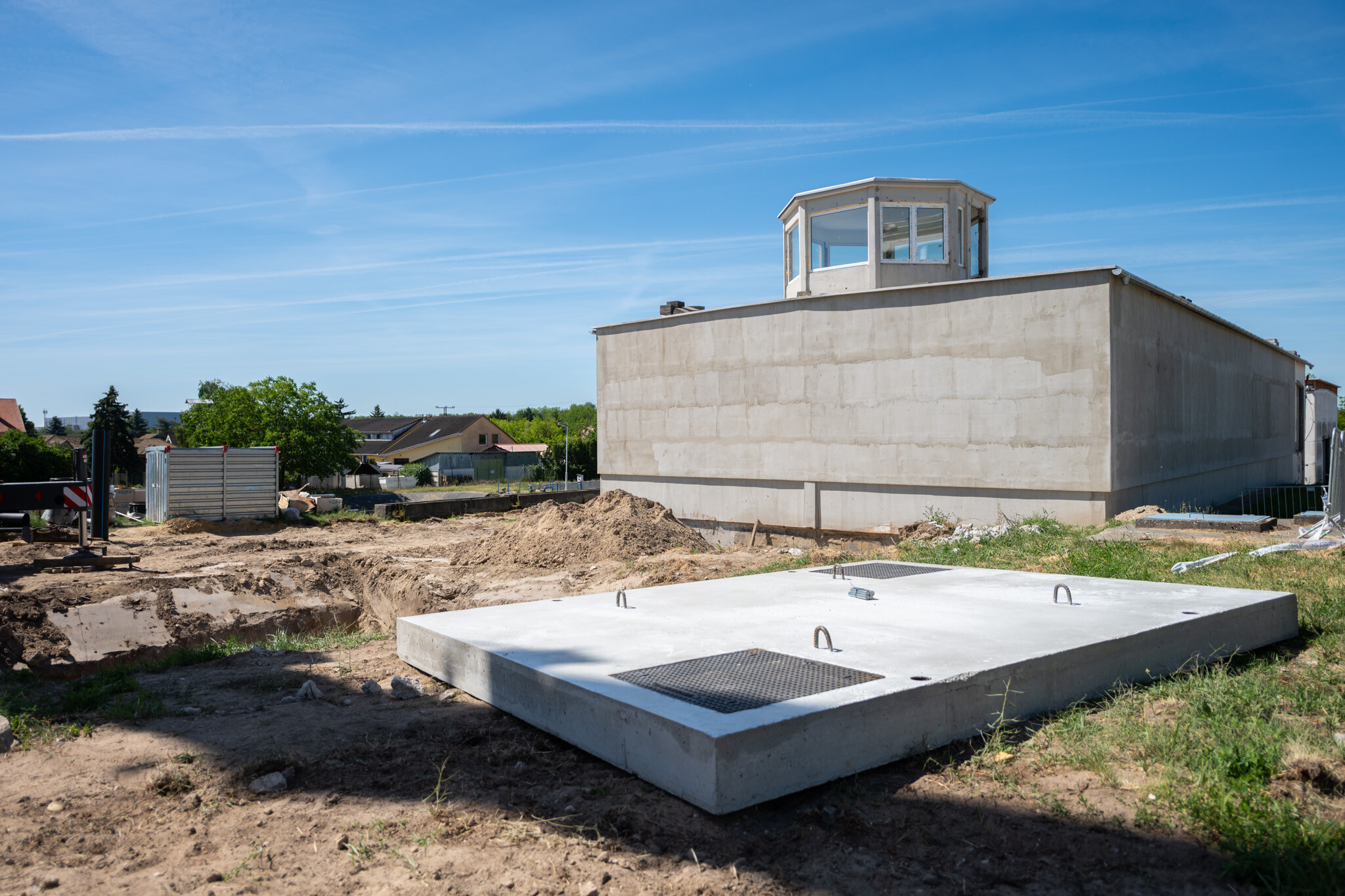
The modernized system relies on water from 16 wells
Thanks to previous developments, raw water currently flows into the Koppánymonostor water treatment plant from 16 wells.
One of the most important goals of the current investment is to treat this available water supply using more advanced technology than before and to deliver it to users.
As part of the project, a completely new water treatment technology is being implemented, which includes
- iron and manganese removal,
- disinfection and chlorination,
- automatic process control,
- and remote monitoring systems.
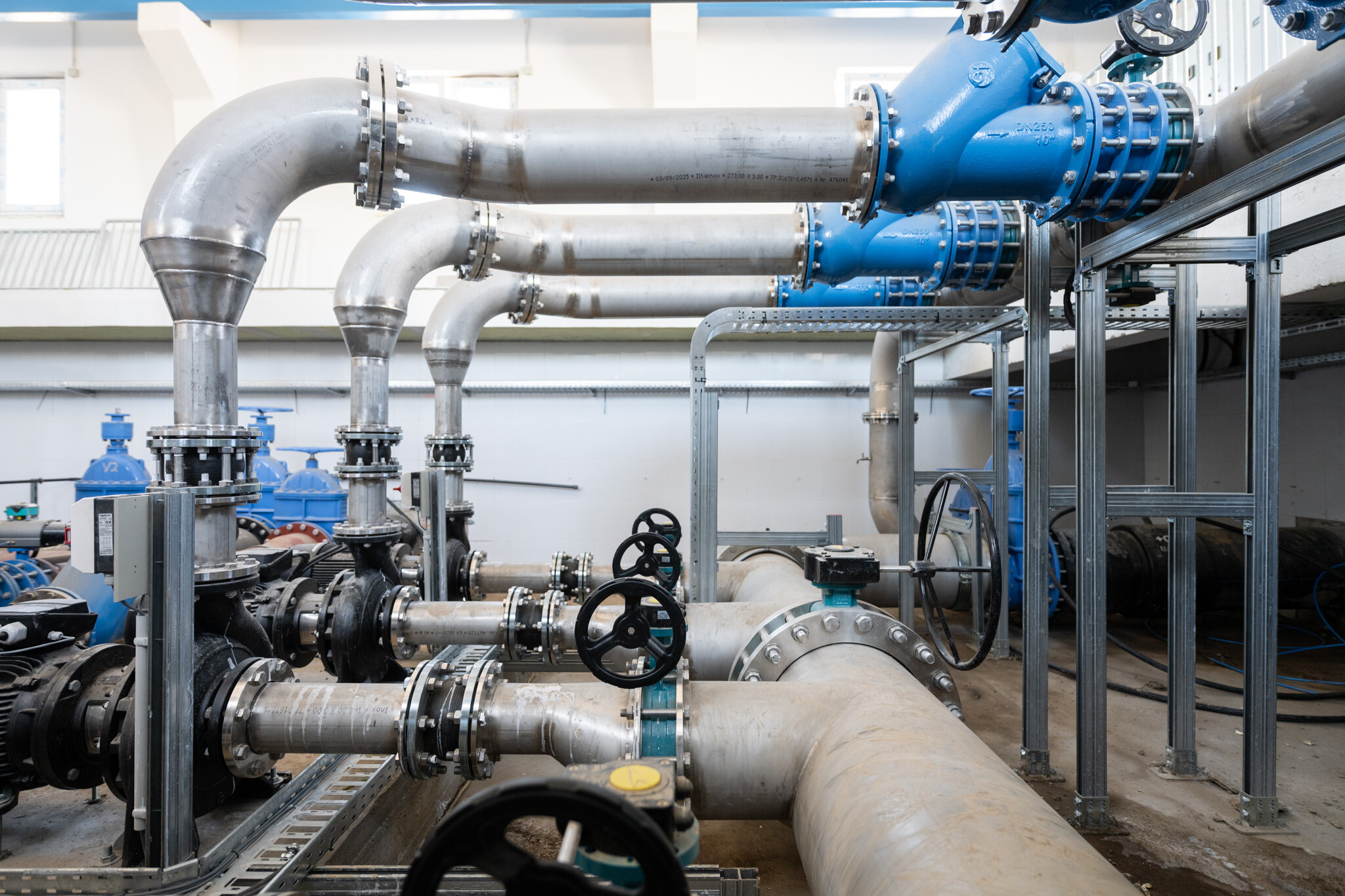
The heart of the project is the iron removal technology
According to the contractor, the most important part of the project is the technological system, which is perhaps the least visually striking from the outside.
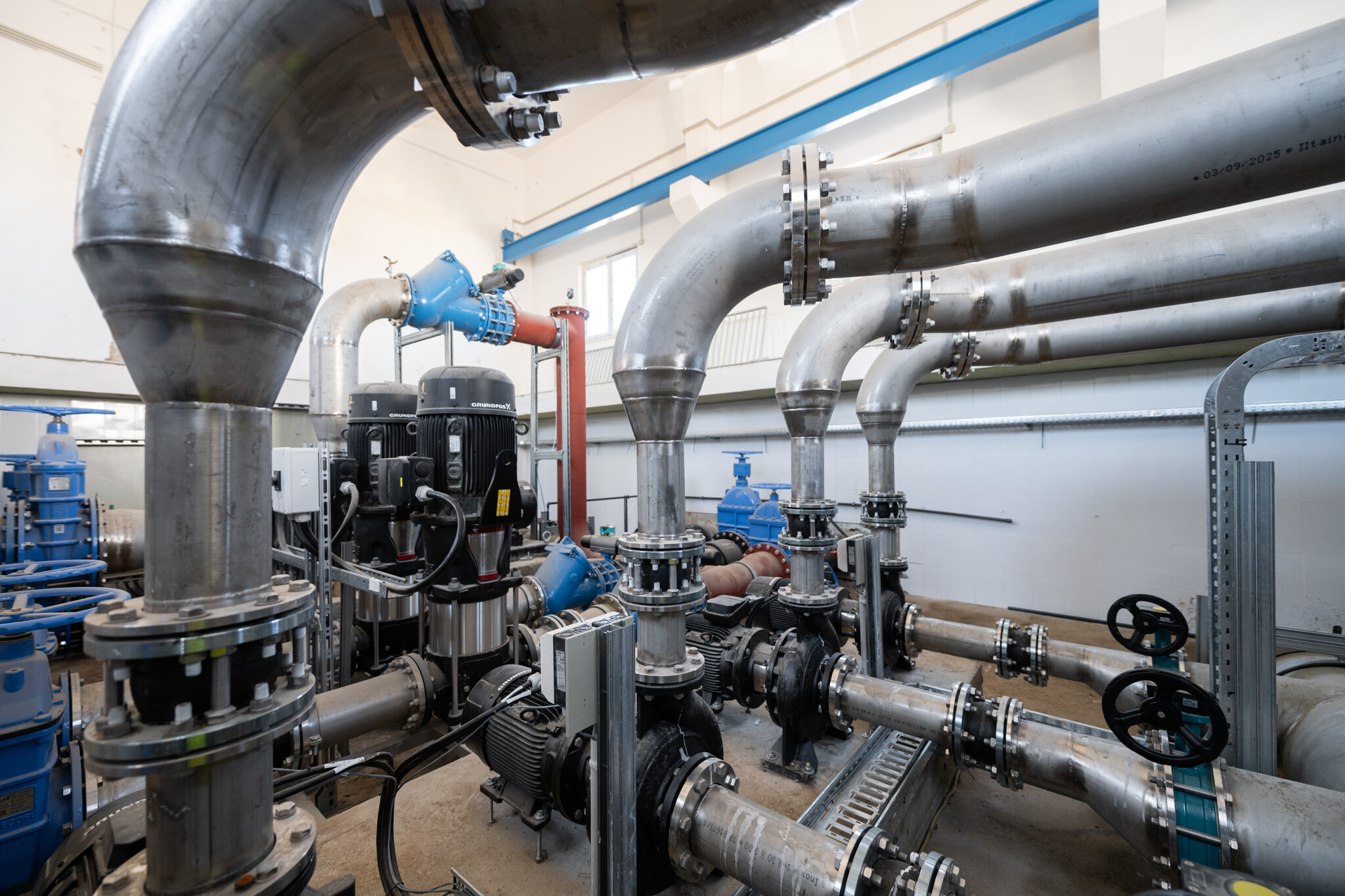
The iron and manganese removal technology, which serves as the heart of the water treatment system, ensures that the raw water from the wells meets drinking water quality requirements.
To an outside observer, this system consists of nothing more than a few large tanks and pipelines; in reality, however, it is the technical heart of the project, without which the entire development would be unable to function.
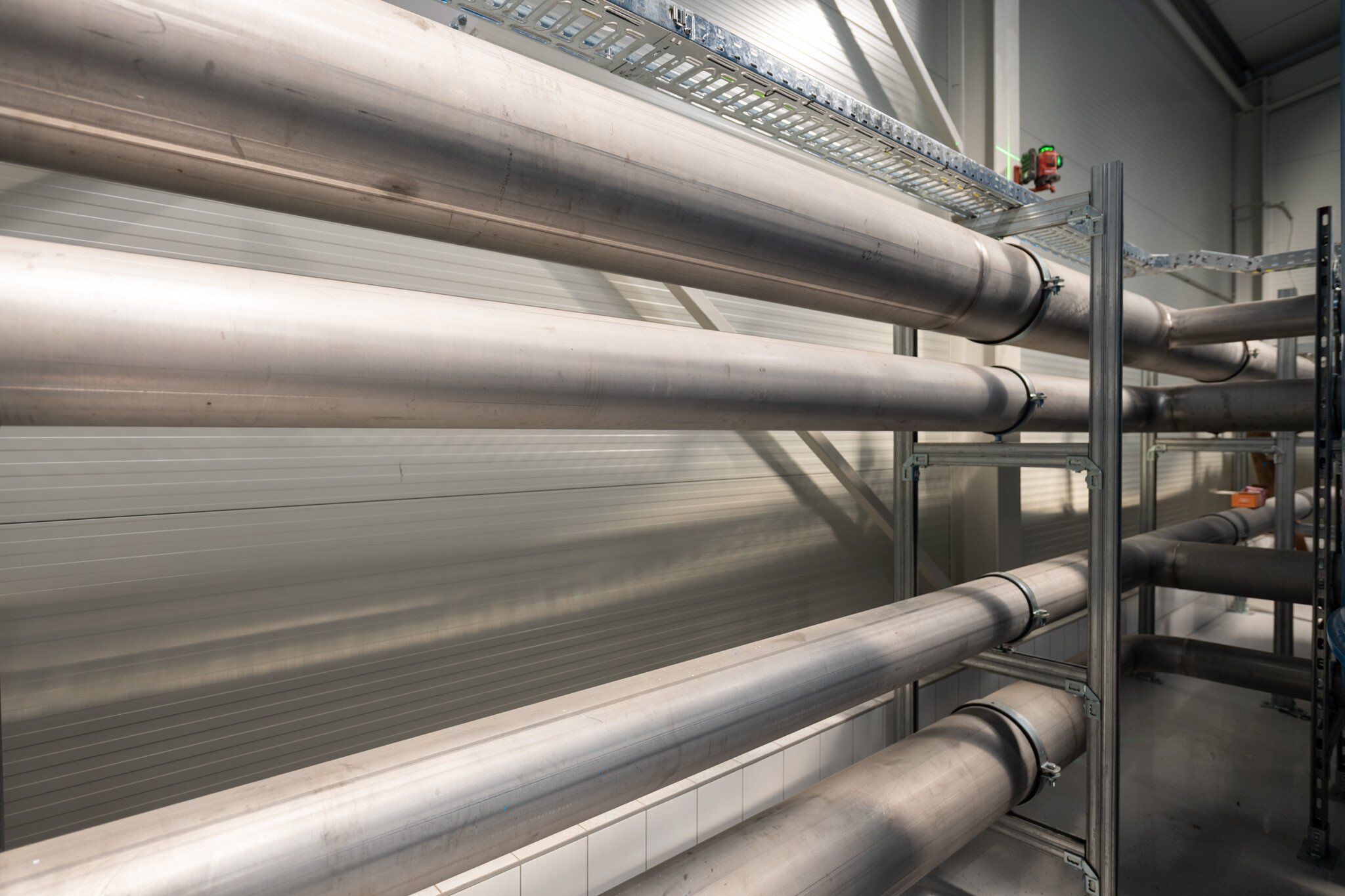
Development is underway at three locations
More than 8 kilometers of new pipeline have been built in the administrative area of Ács, meaning
- 7,055 running meters of D355 PE transmission pipeline were constructed,
- 1,058 running meters of D160 PE service lines were installed,
- and the chlorination and flow measurement systems for the elevated reservoir are being upgraded.
Due to the high groundwater level, vacuum well groundwater level lowering was employed; without this, the construction could not have been carried out safely.
In Bábolna, as part of the project
- 2,755 meters of D315 PE transmission pipeline,
- 753 meters of D225 PE pipeline were constructed,
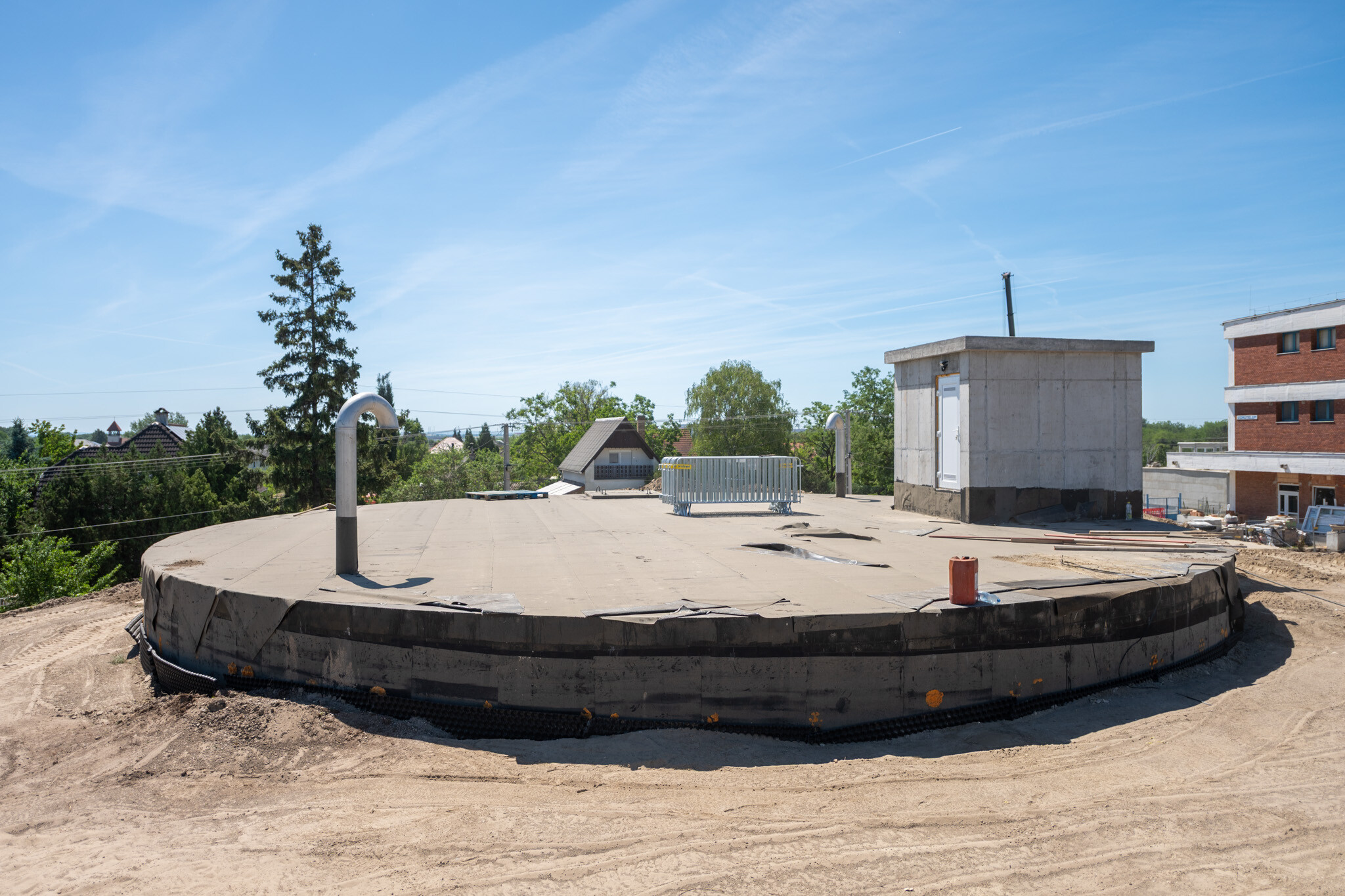
- two treated water reservoirs, each with a capacity of 1,250 cubic meters, were built,
- A new network pressure booster station is being built
- and the reservoir’s associated systems are being modernized.
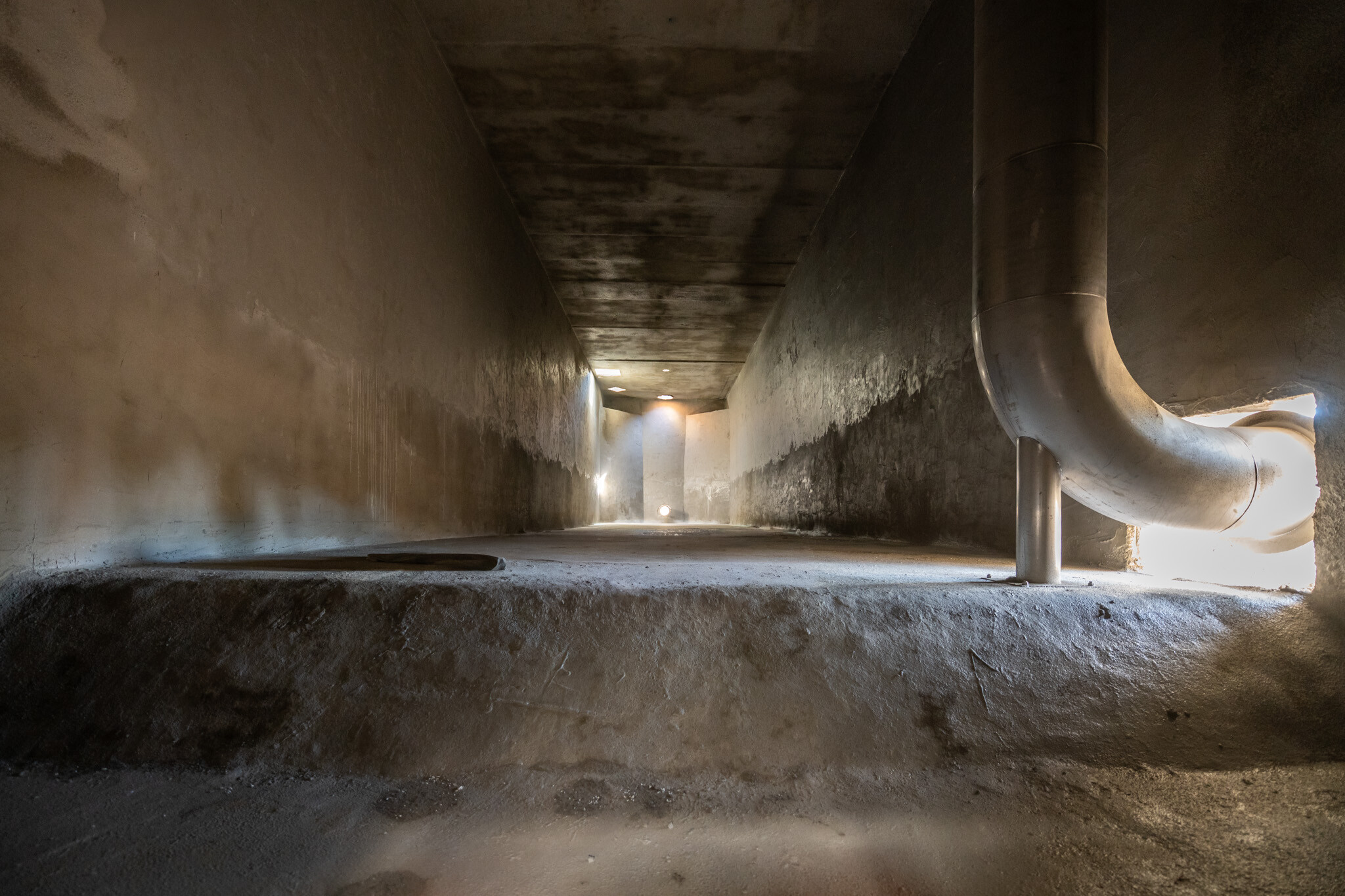
The reservoirs are circular in plan, with an internal diameter of 18 meters and a usable water depth of 5.5 meters.
The central location of the project is the Koppánymonostor water treatment plant. The following facilities were built here
- two raw water storage basins, each with a capacity of 1,000 cubic meters,
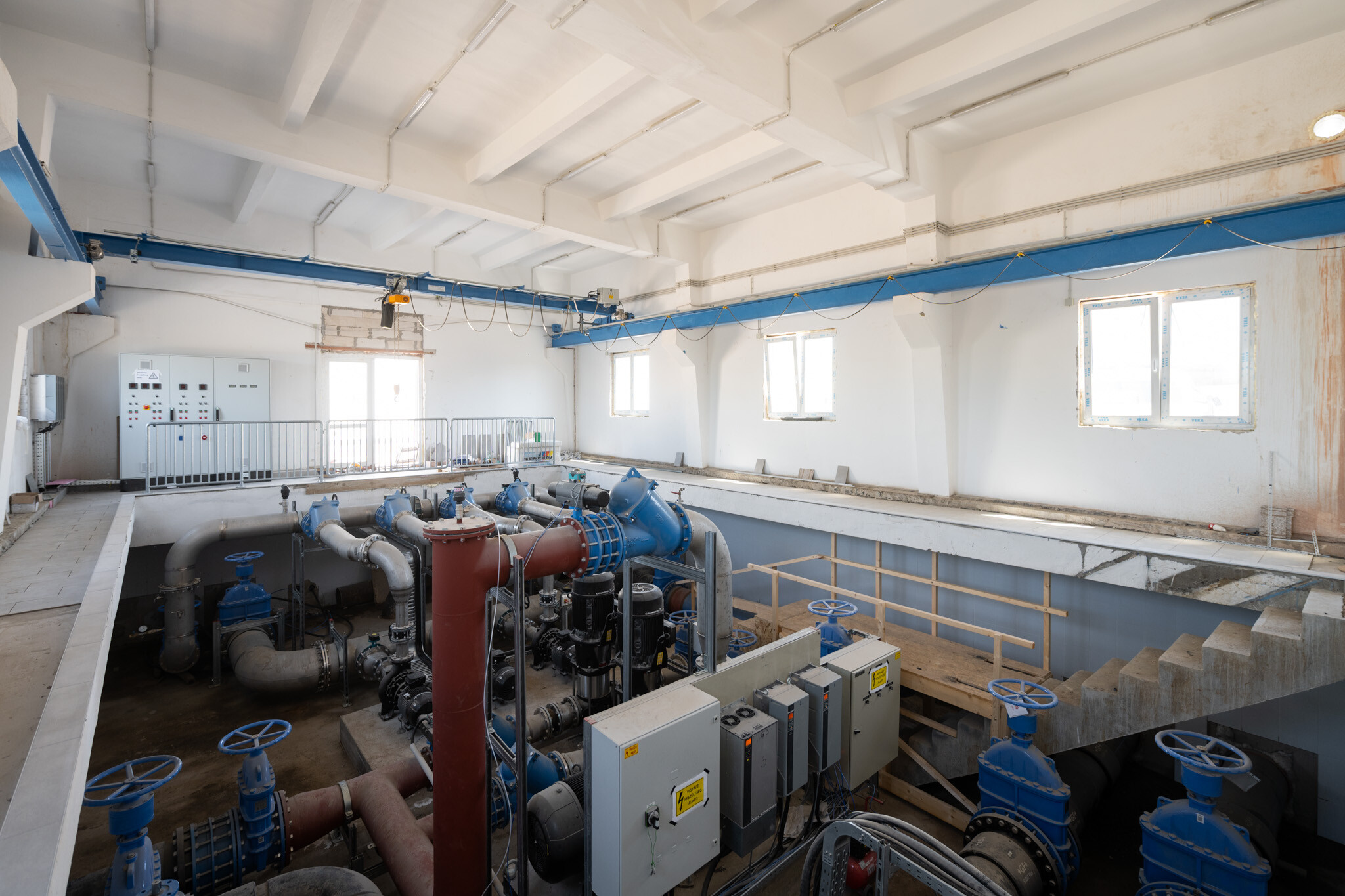
- the new raw water supply pump house,
- the new water treatment plant,
- the modernized distribution pumping station,
- and the process control system connected to the dispatch center.
The raw water storage tanks were constructed with an internal diameter of 16 meters and a usable storage height of 5.5 meters.
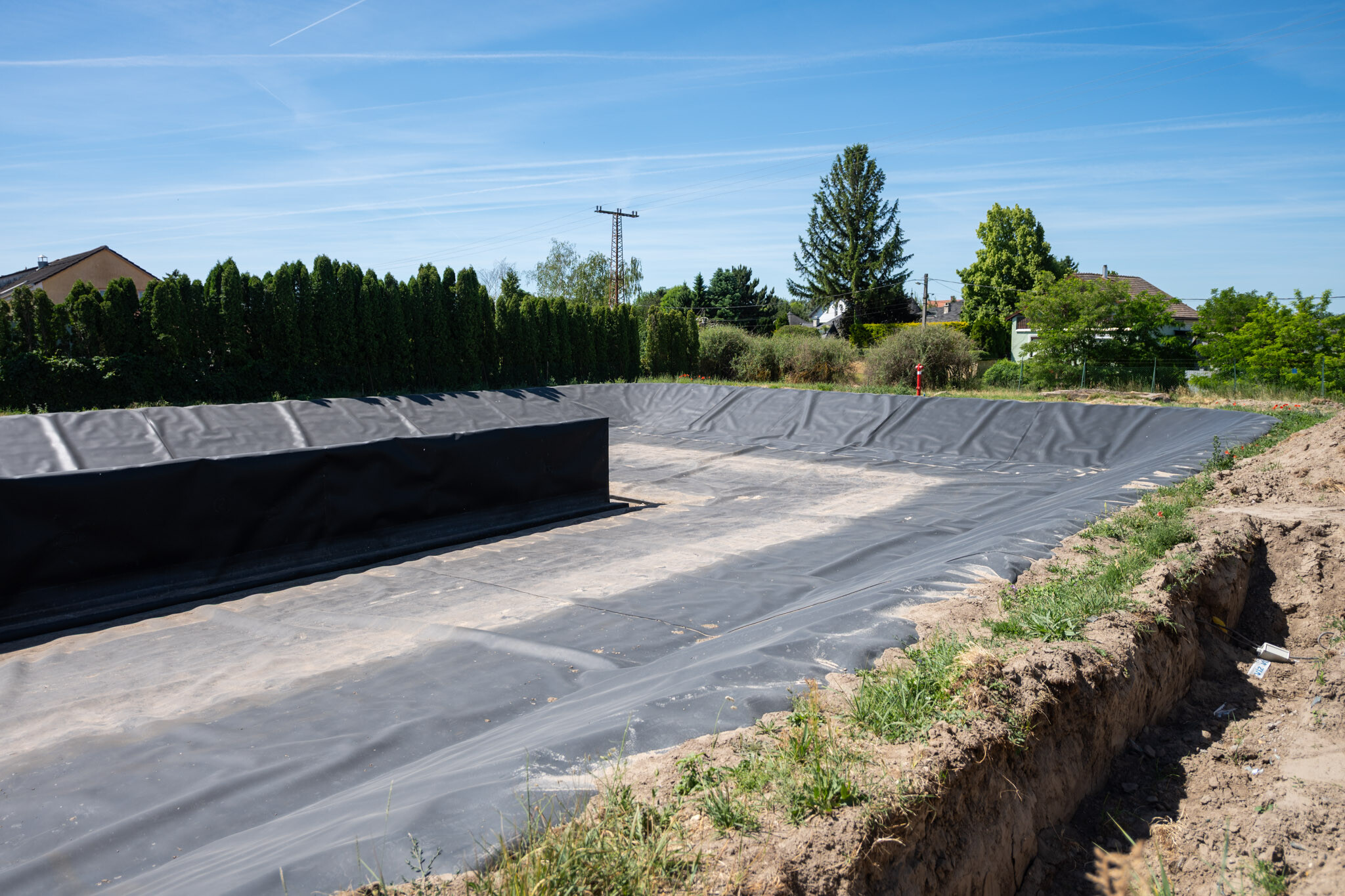
Special Requirements for Drinking Water Reservoirs
The construction of drinking water reservoirs must meet much stricter requirements than those for a conventional water management facility.
Structures that come into contact with water
- must be completely watertight,
- be coated with special coatings approved for contact with drinking water,
- be resistant to freezing,
- and must guarantee the preservation of water quality over the long term.
Watertightness is verified through standard water retention tests, while drinking water quality is tested by accredited laboratories.
Ensuring a continuous water supply throughout construction
One of the project’s biggest challenges was not the construction itself, but ensuring uninterrupted service.
The contractors had to install new technological systems in such a way that users would not be left without water for even a single day.
To achieve this, they built temporary pipeline sections and are gradually connecting the completed new facilities to the system.
Trial operation is underway
The project was launched in February 2025. The new raw water storage tanks went into operation as early as January 2026, enabling the replacement of the old system components.
The trial operation of the water treatment technology began on June 16, 2026, and is expected to last six months. According to plans, drinking water treated with the new technology could be fed into the network as early as mid-September. During the trial operation, architectural renovations of the buildings will be completed, the courtyard paving will be finished, and landscaping will be carried out.
Protecting agricultural areas is also important
Throughout the project, special attention was paid not only to technical solutions but also to environmental considerations.
During both the planning and construction phases, efforts were made to ensure that the route alignment would disturb the natural environment as little as possible, and that the affected areas would be restored to their original condition upon completion of the work.
This was particularly important because a significant portion of the transmission lines runs through areas used for agricultural cultivation. Experts therefore adjusted the construction schedule to align with the crop growth cycles in order to cause as little disruption as possible to land users.
During the project, special attention was paid to the protection of arable land and the management of the topsoil. The topsoil was treated and stored separately, then replaced after the pipeline construction was completed, thereby helping to restore the areas to agricultural use.
Collaboration Across Multiple Specialized Fields
The complexity of the project is well illustrated by the fact that its implementation required the involvement of numerous specialized subcontractors and suppliers.
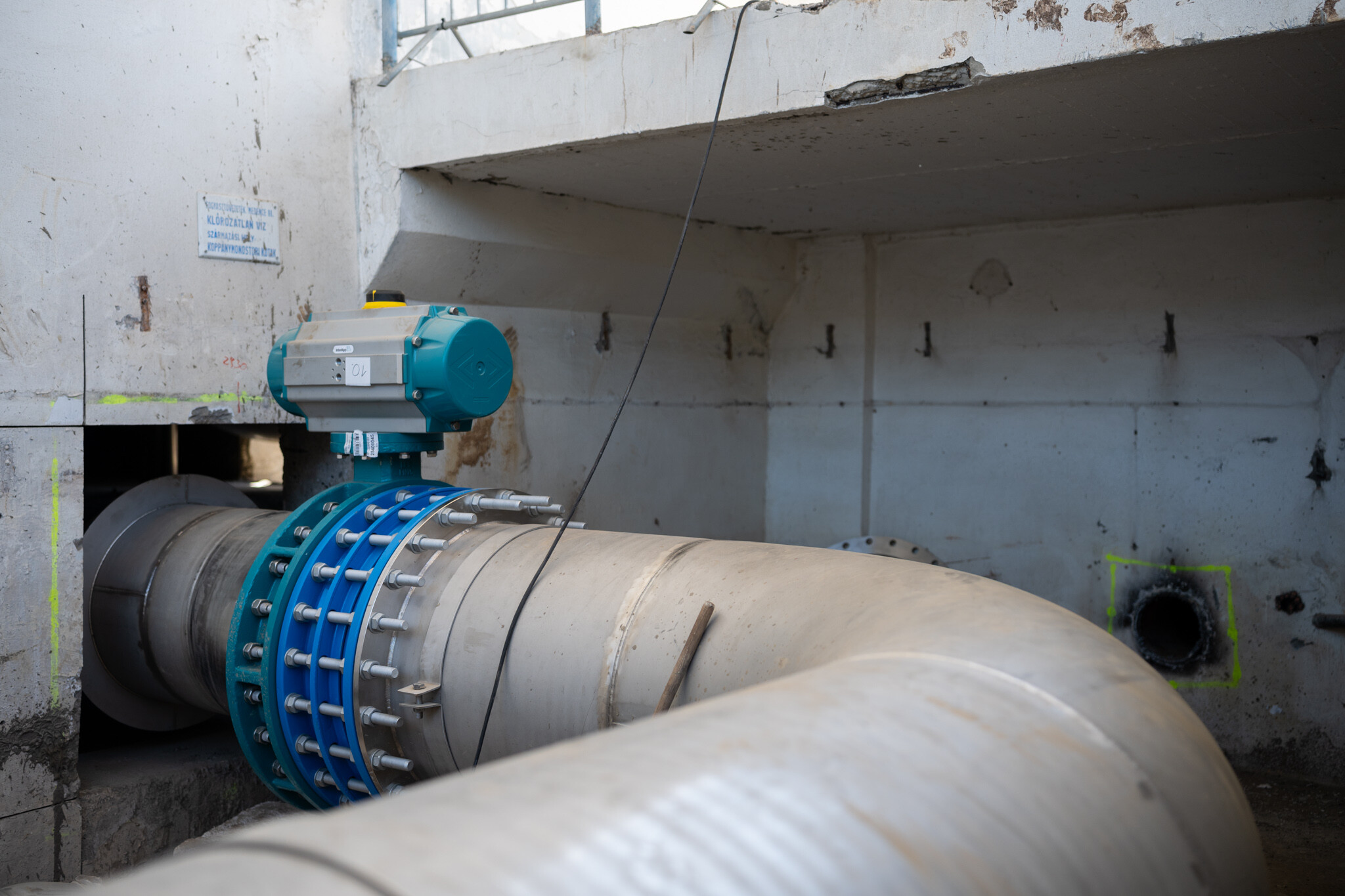
As part of the project, specialized contractors handled the delivery and installation of the water treatment units, the installation of corrosion-resistant acid-proof steel piping, and the construction of the power supply and control systems.
To ensure power supply to the new facilities, a transformer replacement was also necessary, which likewise required specialized expertise. Through the installation of a state-of-the-art automation and remote monitoring system, water production and storage capacities will in the future be centrally monitored and, if necessary, remotely controlled.
Archaeological finds at the work site
One of the project’s unexpected discoveries was that an archaeological site was uncovered during the demolition of the previously decommissioned water storage basins.
Following the excavations and artifact recovery, the contractors modified the site layout to minimize disruption to the cultural heritage elements.
According to the contract, the project is scheduled to be completed on February 6, 2027; however, residents and businesses in the area will begin to see the most significant results of the development as early as the second half of this year.

